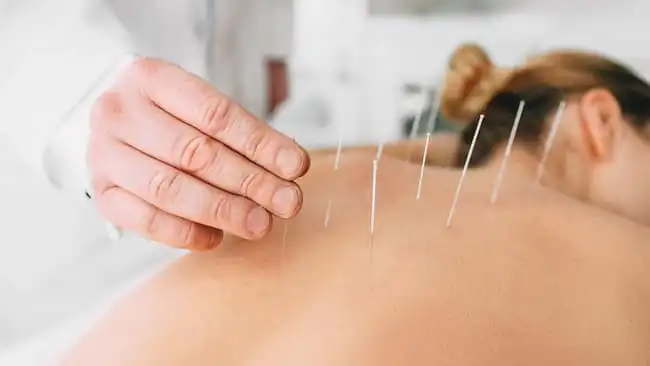
How to Become an Acupressure Therapist?
Acupressure is an old form of healing. It uses pressure on the body’s meridians to restore balance and health, and it’s a safe, natural way to treat various conditions, on its own or alongside other therapies. If you want to become an acupressure therapist, these are the things you need to learn.
In acupressure, your fingertips work on different areas of the body through specific pressure points. You apply firm, steady pressure along the meridians with your hands, feet and elbows. A fairly short burst of pressure (usually under two minutes) can help restore the body’s energy flow and promote healing.
Basic Knowledge Requirements:
Start with the theory. Get to know the meridians and the pressure points, and how to use your hands and other parts of your body to stimulate them. Books and online courses can teach you both the theory and the practice.
Once you understand the theory, learn how to apply pressure properly. There are several techniques, and you need to know which ones suit the condition you’re treating. You also need to learn how to massage the body properly, and which areas are the most sensitive.
You also need to learn the contraindications: the conditions that shouldn’t be treated with acupressure. That part matters just as much.
For example, don’t use acupressure on pregnant women, pregnant people, or anyone with a pacemaker.
Start Practicing:
Once you’ve got the basics, practice. Start with friends and family, then move on to patients once you’ve built up some experience. Workshops and seminars are worth going to as well. You’ll learn more about acupressure and how to use it well.
Know how you can help your clients as a therapist. Acupressure is a natural, effective way to restore balance, and there are few practical alternatives to working with an acupressure therapist.
Plenty of online courses can teach you what you need to know about this popular alternative healthcare technique. They’ll take you through the basics, so you can start practicing at home on friends and family.
Learn the technique properly and your friends and family will thank you. You’ll be showing them a simple way to feel better again, quickly.
Various Ways to Learn More:
Next, go to courses or seminars to learn more and get the technique right. This matters because you’ll learn the correct pressure points and strategies for each part of the body.
Once you’ve learned the basics, practice often: on friends, family members and anyone else who’s willing. Regular practice is what builds skill.
When your skills feel solid, advertise yourself as an acupressure therapist in local newspapers, on online classified ad sites, or anywhere else people look for this kind of help. Look after your clients well. Happy clients recommend you to others.
As an acupressure therapist or practitioner, the benefits include:
-You can restore the body’s energy flow and promote healing.
-Familiarity with the theory behind acupressure.
-You learn to apply pressure correctly, using various techniques.
-You know the contraindications, so you won’t harm your patients.
-Regular practice will improve your skills over time.
-A good reputation among clients, which leads to referrals.
If you want to help people get their health and balance back, think about becoming an acupressure therapist. You use your hands and other parts of your body to help people feel better, quickly and easily. With some training, you can offer this healing modality safely and effectively to the people who need it.
To become a therapist, you have a few things to learn. Study the theory, learn how to apply pressure correctly, and practice regularly. Do those three things and you can offer this healing modality to others safely and effectively.
Acupressure is a form of massage that uses pressure instead of strokes. It rests on the same principles as acupuncture, which uses needles to stimulate specific points in the body. It’s a good way to relieve tension and stress, and it can treat various conditions.
Before you start practicing, learn the basics. Know where the pressure points are and how to apply pressure correctly. And understand the contraindications, the conditions acupressure can make worse. Skipping that step is a mistake.
Start by practicing on friends and family. Once you have some experience, you can treat patients. Workshops and seminars are a good idea too. They’ll teach you more about acupressure and how to use it well.
Medically reviewed by Dr. Jian Times
Last updated: October 22, 2026