
Reflexology: Benefits and Limitations
Reflexology, the age-old Chinese Acupressure Therapy, doesn’t involve needles or anything breaking the skin. You use your thumbs and fingers to press reflexes shown on the body’s Reflexology Chart, which maps reflexes on the outer ears, hands, and feet.
So the Reflexology Definition is pretty simple: you press specific areas, guided by a Reflexology Foot Chart, Hand Chart, or Ear Map.
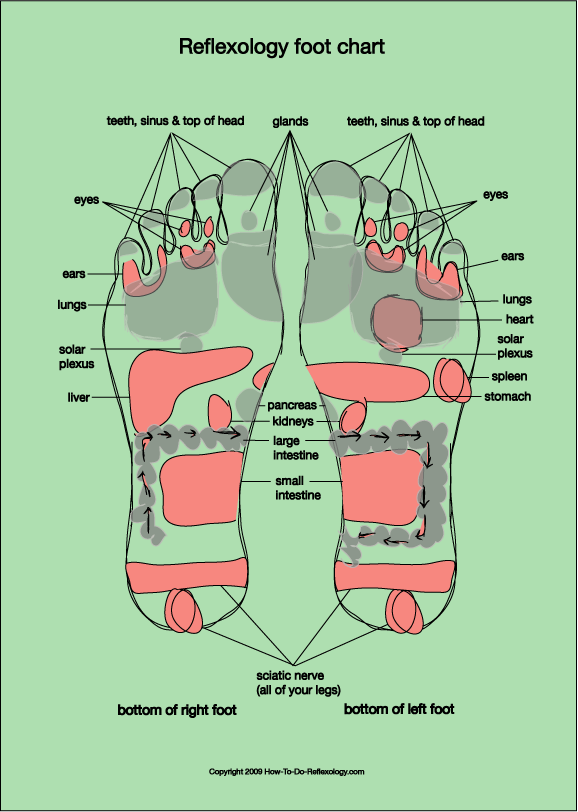
You keep up steady pressure, alternating finger and thumb on your hands or feet, just massaging or rubbing the area. Press the right zone and you can work on illnesses and ease tension in the body.
Sometimes you go deeper, walking your thumb through the zones of the foot in a soft kneading motion. Other times people use tools, everything from sticks and balls to rubber bands.
What matters is hitting the pressure points correctly. And like anything, the treatment here has reflexology benefits and limitations.
Before we get to the benefits and limitations, it helps to know how Reflexology works.

Reflexology: How Does It Work?
Reflexology is based on the idea of Chee (Qi), an invisible force that flows through channels in the body. When Qi gets blocked, through illness, stress or other causes, the body falls out of balance.
When that happens, your body struggles to heal and pain shows up. Reflexology Massage tries to unblock the chi so it flows freely again, until your body is back in balance (homeostasis.)
Pressing the Reflexology Pressure Points on the foot, hand, or ear is meant to improve the flow of energy linked to different body parts and restore the flow of chi.

That helps you relax, which gives your body a chance to heal. It produces chemicals and endorphins that reduce stress and pain during the stimulation.
Reflexology Scientific Verification
Plenty of reflexologists say you can treat patients using acupoints on the Reflexology Hand Chart, Foot Chart, and Ear Map, for a wide range of medical conditions:
- Asthma
- Diabetes
- Cancer
There’s no verified, methodical data to back up all of those claims, though. That said, several studies by the NIH (National Institute of Health) and the NCI (National Cancer Institute) state that it does help lessen pain.
People also report psychological benefits, from feeling less anxious to a better overall mood.
Therapists also found that using Reflexology to induce reflexologists with the intensity of labor pains works in cancer patients with palliative care.
What Can You Treat Using Reflexology?
You can use Reflexology for different ailments. Here are points people use for anxiety and constipation:

Reflexology for Headaches
Headaches often start with anxiety and stress. A good way to help with migraines is to use the Reflexology Hand Chart to work on the pain.
Apply pressure to the LI4 (Large Intestine) point, between the base of the thumb and index finger. Pinch and massage the fleshy area gently, and focus on the sore spot.
Or try the P6 (Pericardium 6) point, a few inches below the wrist crease between the two tendons. Massage the spot gently for one minute, on both hands.
Reflexology for Anxiety
A simple hand massage can ease anxiety. Press the HT7 (Heart 7) point, just below your wrist crease on the outer side of your hand. You’ll feel a small dent there. Massage it for up to a minute, on both hands.
Reflexology for Constipation
Reflexology may help with neurological causes, and it can also help with the physical side of constipation. Use the same acupoint as for headaches, the LI4 point. Just remember to do both hands.
Reflexology for Sinus
For sinuses, there are a few pressure points that can ease things and make breathing easier.
- Press the joint between your index finger and thumb to reduce nasal pain, stimulating it for up to two minutes.
- Another good method is pressing the fingertips and nails, stimulating them for a while.
- Using the inner gate on the back of your wrist can also help.

Plantar Fasciitis is a common source of foot pain, and people treat it with pressure on the reflexology kidney points. Here are the acupoints to try:
- The KI7 is on the front inner side of your Achilles tendon, and the KI8 is on the inner side of the rounded border of the shinbone above your ankle. Apply pressure to both points simultaneously.
- Two more acupoints on the reflexology foot chart are the KI4 behind the bony knob on the inner side of your ankle and the KI5 on the inner wall of your heel in the depression below in front of the KI4 point.
- KI1 is found on the sole of your foot and works with the reflexology liver LV3 on the backside of the foot. Apply pressure to both the pressure points.
Those ankle points can help with different kinds of foot pain. There are plenty of other acupoints in Reflexology, too.
One thing to remember: treat organs on your right side using the chart for the right foot. The left foot chart is for organs on the left side of your body. You can also use the foot chart for reflexology back pain, reflexology stomach ailments,
Reflexology Head and Reflexology Ear Charts
With the head and ear charts, people use Reflexology for a wide range of illnesses in the body:
- Use it to address the Thyroid Gland
- Improve bowel movement
- Pancreas
- Lungs
- Spleen
- Stomach
- Liver and lymphatic problems
- Improve your digestive system
- Improve your facial skin
- Treat anxiety by improving your nervous system
- By pinching the ears, it helps the whole body
- Stimulate your sex glands and so much more
And that’s only part of it. As shown above, reflexology can also help with weight loss.
Is Reflexology During Pregnancy Safe?
Many mothers use Reflexology for pelvic pain, morning sickness, and insomnia. Some also use it to manage labor pain.
If you’re pregnant, though, there aren’t enough studies to claim that Reflexology helps during pregnancy.
And if you do plan to use a reflexologist, a Reflexology Tuscan or Reflexology Elk Grove reflexologist as an example, tell your midwife or doctor first.
Overall, Reflexology is safe. Nothing goes into your body, and you just sit or lie comfortably during the massage.
You might get some side effects, though: feeling light-headed, tired, and emotional. You’ll also find that several reflexologists won’t perform Reflexology during the twelve weeks, as it could lead to induced labor.
Reflexology Benefits
Working on the heart, ears, or feet using the different reflexology charts can give you benefits like these:
- By stimulating pressure points, it improves your blood circulation and energy in the body
- Helps with Stress Management
- It can help relieve neck stiffness, headaches, back pain, shoulder tension, and more.
- Improves the digestive system to reduce stomach-related problems like gas, chest burn, ulcers, and more
- It helps with weight loss as it removes food cravings and reduces the amount of body waste, which can cause nausea, mental disorders, and depression.
- It can help with nasal and sinus congestion
- Relieves lung problems to help make breathing easier
- Can improve skin tone and other skin disorders
- Helps improve eyesight through massaging
- Relieve knee, elbow, and ankle pain
- Helps with sexual problems and relaxes the body and mind
- Can apply Reflexology anywhere, without pain
Reflexology Limitations
Reflexology has plenty going for it, but it has limits too. Always remember you need to use it in combination with your medication, as it cannot heal the disease and can be harmful in some instances, as follows:
- If you apply pressure to the wrong acupoint, it will not relieve the pain and may lead to other problems
- An inexperienced reflexology practitioner can cause more harm than good, so getting the education needed to apply pressure to the points is best.
- Reflexology does not cure cancer, but it can help relax the body and mind in the short term.
The Bottom Line
Reflexology is considered safe. It’s natural and non-invasive, and the techniques are easy to learn, but you do need to know what you’re doing before you press the points on the hand, ear, or foot chart.
Reflexology is a harmonizing therapy you can use along with your usual medicine. It also helps as an alternative therapy to remove tension in the body and treat specific ailments.
It would be best not to use it alone, which is more beneficial with your current medical treatment. So if you have a headache, feel nauseous, have a toothache, or any other form of pain, you can apply pressure to the acupoints mentioned to help.
If the pain persists, talk to your doctor. It could be a sign of something more serious than you expect.
Medically reviewed by Dr. Jian Times
Last updated: October 22, 2026
Content on this site is for education only and isn't a substitute for medical advice. Talk to your doctor before trying acupressure if you're pregnant, have a chronic condition or take blood thinners.
Will you please tell me acupressure points for Tinnitus cure.