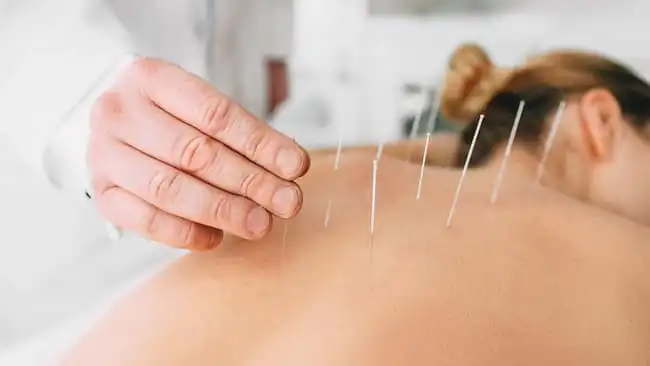
Which is better: Acupressure or Acupuncture?
There’s no clear winner here. Both help, just in different ways. Acupressure is a type of massage where you press on specific points. Acupuncture uses thin needles placed into those same kinds of points.
Acupuncture tends to work better for some problems, like chronic pain. Acupressure often suits others better, like tension headaches. Talk to a healthcare professional if you’re not sure which one fits you.
Both can help with pain and circulation, and both are fairly safe when a licensed practitioner does them. If you’re pregnant or you have a medical condition, check with your doctor before you start either one.
So which one should you pick? It really comes down to what you need. Talk it over with your doctor or a licensed therapist, hear what each one offers, and go from there.
The main difference between acupressure and acupuncture:
Acupressure skips the needles. You press on pressure points to nudge the body’s own response to pain and healing. The pressure comes from your fingers, so most people can try it safely at home, on themselves. You can pick up the techniques online, or from books and videos in bookstores and from online retailers like Amazon.
The real difference is how they treat pain. Acupuncture punctures the skin with fine needles. Acupressure uses gentle finger pressure on key spots instead. With thumb pressing (gua sha), you use moderate force with your thumb or fingers on the surface of the skin to help break up energy “blockages.”
With acupressure you press your fingertips into specific points to relieve pain and help with a range of medical conditions. You can do it at home, so self-care doesn’t have to mean booking in with a therapist every time.
If you’re new to it, read up a little first. A bit of research helps you learn decent technique before you start pressing away.
That needle point is the core difference. Acupuncture puts fine needles into the skin at specific points to decrease or increase energy flow (chi) and bring things back into balance.
Acupressure sits alongside Acupuncture and aromatherapy as alternative medicine. It uses pressing, rubbing, massaging, and similar techniques on the body. People have used it since ancient times for stress and for complaints like headaches, back pain, and nausea. It’s one of the most commonly used complementary therapies in Asia.
A Brief History Of Acupressure Points
The old idea was that “meridians” are energy pathways running through the body. Stimulate those pathways and the energy flows better, and balance comes back. Acupuncture rests on that same idea.
Acupressure has been around for centuries, but scientists only started looking at it closely in recent years. Researchers have found it may help relieve pain and improve circulation. They’re also starting to get a clearer picture of how it works and what it can help with.
So what is Acupressure, in plain terms? It’s a type of massage built around pressing specific points. Acupuncture does a similar job with thin needles in the skin. Both count as alternative medicine, but they go about it differently.
Acupressure – Uses Gentle Finger Pressure Instead Of Needles
How each treatment works is the other big difference. In traditional Chinese medicine (TCM), “meridians” are the pathways energy flows through. Stimulating them improves that flow and restores balance. Acupuncture stimulates them with needles. Acupressure stimulates the same meridians without needles.
That said, the points themselves often overlap. Sometimes an acupressure point is used just like an acupuncture point. LI 4, for example, is an acupressure point people commonly use to relieve pain.
Acupressure has been used for centuries and it’s one of Asia’s most commonly used forms of alternative medicine. It helps with stress and tension, and people use it for a range of medical conditions. Scientists are starting to understand how it works, but more research is needed to know what it can really do. If you want to try it, do a little research first and learn good technique.
Medically reviewed by Dr. Jian Times
Last updated: October 22, 2026