Acupressure Points for Hair Growth – Home Remedies for Hair Growth:
Here are some easy acupressure points for hair growth. Most of us take our hair for granted. We don’t think much about it until it starts falling out, and then we worry. Sound familiar? That’s usually when people start looking for answers.

Stress is one big factor in hair loss, so staying calm does help. There are lots of ways to promote hair growth, but some aren’t very natural or good for you, and they can harm the body and the environment.
Acupressure is the natural option here. You press the points for hair growth, relax while you do it, and help your hair grow naturally at the same time.
Acupressure Treatment the Natural Way:
Healthy hair growth depends a lot on how well your adrenal glands are working and, of course, on the food you eat to supply blood to your hair follicles. Your scalp needs good blood flow if you want thick, healthy hair. Acupressure treatment can help with that. It also helps boost your immune system and promotes proper blood circulation throughout the body.
Acupressure Points for Hair Growth Infographic:
Home Remedies for Hair Growth:
Another use of acupressure is this: it helps rid the body of toxins. It increases blood flow to the face and keeps the body clean and healthy, and along the way the scalp is freed from dead skin cells, infections and dandruff.
Acupoints for Improving Hair Growth:
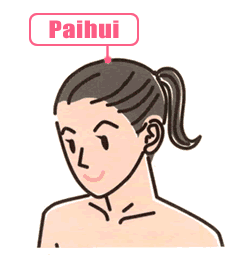
Acupoints for hair growth are spread all over the body, but the most important one is the Paihui Spot. It’s on the top right of the head. Rub it several times to increase hair growth.

You can do this several times a day. It relaxes your scalp and gets the blood vessels in your head working, which helps new hairs come through thicker. Other acupoints for hair growth include the stomach, abdomen, and back pressure points.
How to Present Oneself with Acupressure:
Start by learning where the pressure points are, and what each acupressure technique does for you.
The First Acupoint for Hair Growth:
First, twirl your finger through a strand of hair and gently pull it at the root. Keep repeating at the same point. It stimulates the nerves of your scalp and your hair follicles, and it feels relaxing.
The Second Acupoint for Hair Growth:
The second pressure point is the Paihui Spot, and it’s easy to find. Place your finger on your brow and count about eight fingers back to find the spot. Once you’ve got the right point, massage your scalp with circular movements of your fingers. Move slowly to other parts of your scalp, acupoint by acupoint, and make the strokes firmer.
Third Acupoint for Hair Growth:
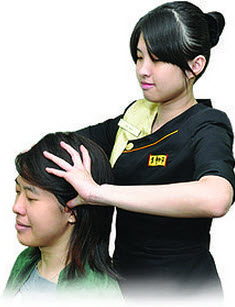
Once you’ve massaged the previous point, move to your occipital ridge, where the muscles of your skull come together. This point sits above your neck, on the hairline. Press it with your thumb and hold for as long as you can. When you let go, you can feel the blood flowing through your neck up to your head, which helps relieve the tension and stress related to hair loss.
Fourth Acupoint for Hair Growth:
After that step, draw a line with your finger to the center of the scalp. There are many acupoints along that line, and gentle pressure will stimulate them. Press with your finger pads and keep going along the line until you reach the end of your hairline.
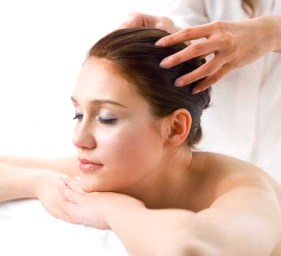
Don’t forget the scalp itself. It’s full of pressure points that help stimulate hair growth, and these acupoints are good for various other ailments too.
Hair Growth: Everything You Need To Know
Hair growth is different for everyone. Some people have thick hair, others have thinner hair, and sometimes men start losing theirs and go bald.
So what type of hair do you have? Maybe you’re losing hair, or you’d like it to grow faster. Maybe you just want to know how hair grows, or whether it’s a genetic trait.
Here’s the honest bit: you’ll find your hair growth answers on this page.
What Causes Hair Growth?
Good question. Before you can deal with hair growth problems, it helps to understand the science behind them.
So how does hair grow? It grows in your skin, out of follicles, a bit like a plant growing from a root. The follicle is made of protein-containing cells.
Blood vessels in your scalp supply the root. That stimulates the growth of more cells to form new hair. The hair pushes up through the skin and passes through an oil gland, which keeps it shiny and soft.
It can get greasy at times, too, so wash your hair regularly. Once the hair pokes through the skin, it’s dead and can be cut easily.
The rest of the hair on your body goes through the same process. The difference is that your body’s hair cycle lasts only a month, and it doesn’t grow as long as the hair on your head.
Scalp hair grows approximately 0.4 mm a day, or about six inches a year. And hair shedding is a random process.
Is Hair Growth Genetic?
Genes play a part in hair growth, including length, density, texture and color. Only to some extent, though. You still need to look after your hair.
With proper care, and with genetics on your side, your hair can grow long, healthy and thick. Three factors decide most of it.
They are Genetic, Internal, and External Factors. Together, they determine your hair type.
The Genetic Factors
These are features determining your hair:
- Color
- Texture
- The thickness of hair strands
- Density
- Length and speed as it grows
You might have shoulder-length hair, but it can grow down to the bum. So, how is this possible?
It comes down to your anagen (growing) phase, before the hair sheds. On average, it lasts two to six years.
Your hair grows ½ an inch a month on average. So if you and your sister’s hair both grow ½ an inch a month, the woman with a six-year anagen phase can grow hers longer than the one with two years.
Internal and external factors can still leave you with the same hair length. You can’t change your genetics, unfortunately, but the average growth is at least 12 inches.
Internal Factors
Internal factors can hold back your genetic potential for hair growth.
- Imbalances in the hormones
- Medical conditions
- The certain medications you use
- Your water intake and diet
- Stress is a big negative as well
Stress affects hair growth and thickness too. It slows growth down and causes excessive shedding or thinning. Some of these things are in your control. Others aren’t.
You can control your diet, for instance, but you can’t always control a medical condition.
External Factors:
- Hair care and stylish practices
- Environmental concerns such as UV rays, hard water, and weather conditions
- Chemical harm caused by coloring and straightening
You can control these factors with a healthy hair routine. A routine that fits your hair’s needs and your lifestyle will prevent a lot of the damage.
Now, a big question about genetics: “Does Hair Growth Slow Down with Age?”
Has your hair stopped growing after reaching a certain age, for no clear reason? Hair does keep growing, but aging introduces variables that can prevent hair growth.
As we’ve already seen, various factors influence hair growth, and they can show up at any age. As you grow older, certain things happen to the hair:
- Your hair goes gray. It’s the most obvious change, and sometimes it’s genetic, other times it’s caused by stress. After a certain age, hair turns gray mainly because melanin production decreases. You can color it, but using anti-aging shampoo & conditioner is best.
- The hair gets thinner as density decreases. New hair grows finer, or shedding speeds up.
- Your hair can lose volume, thin out, and break more easily.
- And it grows more slowly.
The good news? Treatment-based repair and scalp treatment products are available for all the issues mentioned above.
Why does hair growth stop?
Lots of things can stop your hair growing: an unhealthy lifestyle, poor hair care, environmental factors. And there are more:
- Genetics plays a small role in hair growth, but your stress level can hinder it too. Stress triggers Telogen Effluvium during the resting phase, resulting in a 30% reduction in growth.
- Hair breakage is caused by inadequate or excessive styling care.
- Split ends occur when the hair is not receiving enough nutrients to help balance its moisture levels.
- Using certain styling products can cause a build-up of oils or excessive styling, which can lead to a growth stop.
- You may have Alopecia Areata, an autoimmune disease that affects the cells in the hair follicles.
- Thyroid problems are another reason why hair stops growing.
What Can You Do to Help with Hair Growth?
Want your hair thicker and faster? Or are you wondering what can increase hair growth? There are plenty of tips and products to try. Or maybe you’ve looked for products to stop body hair from growing instead. Which one works best?
Let’s look at the treatments you can use, and whether they actually help.
Do Hair Growth Inhibitors Work?
Short-term hair growth inhibitors are creams and sprays that help hair grow back slowly. The product removes the hair from the root to slow the regrowth down.
Hair growth inhibitors do work for slowing regrowth. But the results depend on the product and on the person using it.
So if your hair is dark or thick, you may find a hair growth inhibitor less effective than someone with lighter, thinner hair.
It also depends on your skin allergies and the type of treatment you follow. Laser treatment, for instance, could leave you scared and burned.
Always test products on a small part of the body before you apply them to the whole treatment area. And remember, no one product or treatment guarantees permanent hair removal.
Use the hair growth inhibitor alongside regular hair removal, too. Hot wax, threading or tweezing all work for that.
Will Threading Reduce Hair Growth?
What is threading? It’s an ancient method from the Middle East, and it’s 100% natural. Beauticians use it on the eyebrows and face to remove annoying facial hair.
A cotton thread is twirled around the finger and removes the targeted hair from the root.
What’s special about it is the shaping. You can shape the eyebrows to perfection, leaving your face de-fuzzed and hairless.
Depending on your hair growth, the results can last up to six weeks, which is longer than tweezing or shaving.
You can remove even the finest, tiniest hairs this way. It’s a natural alternative to laser treatment.
Will Turmeric Stop Hair Growth?
Yes, if you do turmeric hair removal often. It works best on facial hair, though, and you need to know how to use it to remove the hair.
The method slows hair growth down over time. The sticky turmeric paste adheres to the skin, and you scrub it off.
Once you do this, the hair attaches to the paste and comes out by the root, similar to waxing. It also has hair growth and stopping properties, making the hair softer and more dissolving.
The main issue is that it can’t remove thick hair. You can use it on the forehead, cheeks and hands, though, and you can apply it to the bikini area and other areas regularly to slow hair growth down and make it appear thinner.
One more thing: turmeric does stain the skin. Gently scrub the area with a mixture of baking soda and soap, or dip a cotton ball in milk.
What Increases Hair Growth?
Now, if you want to stimulate hair growth instead of removing body hair, do the following:
- Increase the intake of zinc and iron found in green vegetables
- Comb your hair three times a day, starting at the roots and working your way up to the tips. This massages the scalp, improving blood circulation.
- Use a mild shampoo and minimize applying heat.
- Eat foods rich in vitamin B7 and biotin, such as nuts, lentils, and egg yolks.
- Reduce the application of hair styling products and drink your multivitamin tablets.
Will Estrogen Help with Hair Growth?
Estrogen plays a big role in a woman’s body, and her levels fluctuate throughout her life. As the hormone level increases, hair growth accelerates too.
When the level drops later in life, you may start losing hair. That can cause hormonal imbalances, and growth slows down. So, to answer the question: will an estrogen supplement help with hair growth?
The truth is, yes, you can replace the hormone artificially. But it needs regular monitoring, and it’s best to discuss it with your doctor first.
Abnormal hair growth can also be a side effect of specific replacement therapies, which is why.
Will Biotin Help with Hair Growth?
Biotin is part of the vitamin B family (vitamin H), among the water-soluble vitamins. Your body needs it to convert nutrients into energy.
It’s also needed for healthy nails, skin and hair. If your body isn’t getting enough of it, you may get a red, scaly rash or hair loss.
Deficiency is rare, though, because most people get their vitamins through a balanced diet. Still, people are increasing their intake of biotin.
According to scientists, keratin is the main protein that keeps hair, nails and skin healthy, and biotin helps improve the structure of keratin in the body.
They’re unsure about biotin’s role in your skin and hair care, though. Deficiency is rare. The FDA does not provide an RDA (Recommended Dietary Allowance), and it calculates it based on your sex, overall health and age.
Most people need only a small amount of biotin each day. Pregnant or breastfeeding women need a higher level of the vitamin.
Talk to your doctor about it. So, what foods are rich in biotin?
- Liver and Kidney
- Nuts
- Egg yolk
- Bananas
- Whole grains
- Mushrooms
- Soy and cauliflower
Heat can also reduce the efficiency of biotin, so it’s best to eat minimally processed and raw dishes. Alternatively, you can take a supplement. Follow the dosage on the label.
Each supplement containing the vitamin has its side effects, though:
- Cramping
- Diarrhea
- Nausea
There’s still controversy about how effective biotin is for hair growth. It can also help reduce inflammation, lower blood sugar levels, lower cholesterol, and improve cognitive function.
Final Thoughts
Whatever form your hair growth concern takes, the methods above can help you find a way to improve it.
One thing to remember with supplements, though: consult your doctor first.
Healthy-looking hair comes from looking after your overall health. Eat a balanced diet, exercise regularly, keep your hair clean, and give it the nutrition it needs.
Now you know the acupressure points for hair growth, so try them. It’s an easy method to use on yourself, and if you follow the guidelines above you’ll feel the benefits. You’ll get a better supply of oxygen, and blood flow matters a lot for hair growth because it nourishes the scalp from within. You’ll feel relaxed while you do it, too, while your hair becomes healthy and gorgeous.
Medically reviewed by Dr. Jian Times
Last updated: October 22, 2026