Acupressure Points for Diabetes Support
People have been using acupressure for centuries. It has been used for generations to help relieve pain and support overall wellbeing. It works on points linked to specific organs in the body. For diabetes, people use acupressure to help keep blood sugar under control.
Acupressure Points for Diabetes Support
These include:
- Healthier kidney functioning
- Improving blood flow
- Leaves the body relaxed and stress-free
- A good relief treatment
- Controls blood sugar levels
You can manage diabetes with different acupressure methods. It is a life-threatening disease, so looking after yourself matters. You can become diabetic when one’s carbohydrate (glucose) levels aren’t correct, and controlling sugar intake is one technique to prevent it. Acupressure is a safe treatment, and it works well for people with diabetes.
Reflexology helps with diabetes, and it eases symptoms of other conditions at the same time. That list runs to migraines, sinus congestion, eye strain, anxiety, bladder problems, indigestion, and more. For the best results, practice these treatments regularly.
Different Types of Diabetes:
There are different types of diabetes, and each one needs a different kind of treatment:
Type 1 diabetes occurs when the pancreas doesn’t produce enough insulin in the body, known as insulin-dependent diabetes. People diagnosed with type 1 diabetes need regular injections to help control the sugar levels in their blood.
Type 2 diabetes occurs when one’s cells become resistant to insulin. When this happens, the body is unable to absorb the sugars found in the blood.
One more, diabetes is Gestational Diabetes and is commonly found during pregnancy, as the pancreas doesn’t produce the extra insulin needed while one is pregnant.
More and more people with diabetes are turning to acupressure. Press the right points and it can help you manage the condition. Over time, it helps the body recover and clear out toxins. Press these points the right way and they can help you manage diabetes.
ACUPOINTS ONE NEEDS TO USE FOR DIABETES
Upper Body Acupoints:
Thumb and Index Finger Acupressure
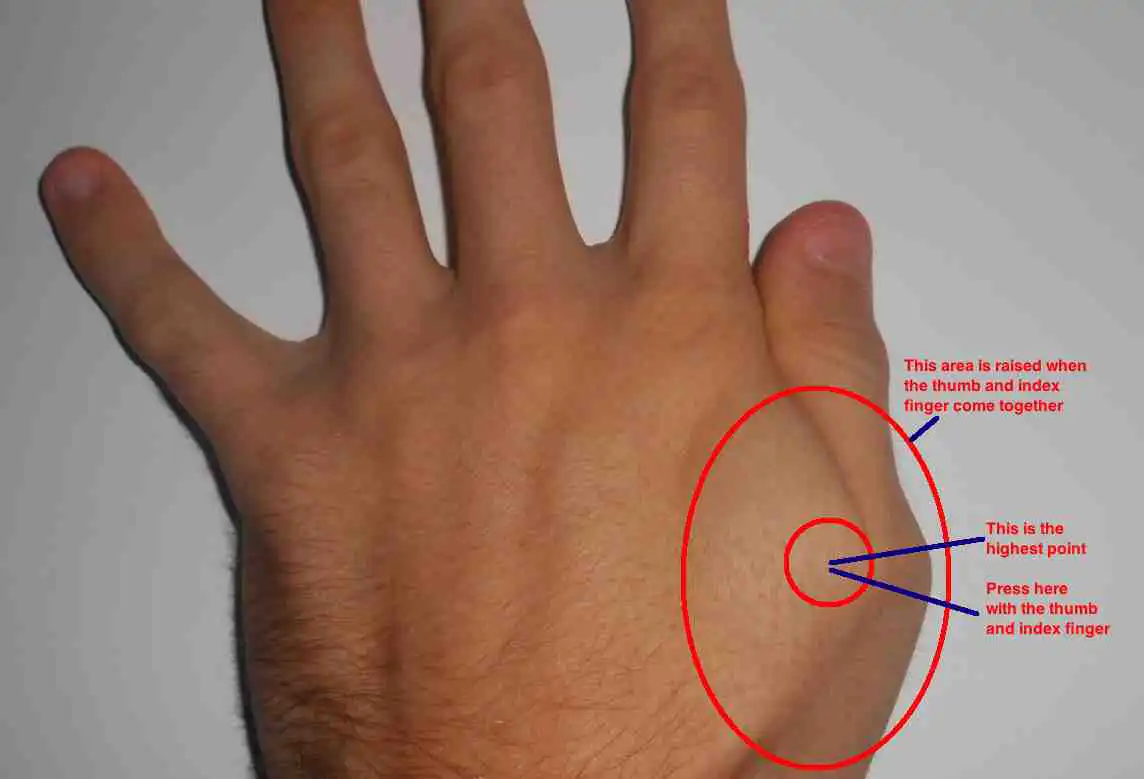
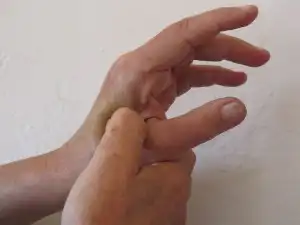
This point is handy for pain relief of any kind. Hold the joint between your thumb and index finger and press lightly for five minutes. It helps ease pain in the large intestine and brings the body’s temperature. This point leaves you feeling relaxed and energetic.
Hand Acupoint
This point sits just below the little finger on your wrist. Press it and it’s good for your heart. Massage it regularly and it helps take strain off your heart.
Lower Body Acupoints:
Knee acupressure
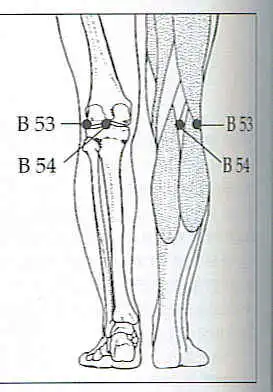
Put your fingers 2 cm below your knee and massage with light pressure for five minutes a day. It helps balance one’s digestive system. Studies have shown diabetes begins with heartburn, and good digestion helps reduce the problem. It also helps hold off arthritis, aging, and other forms of weakness.
Feet Acupoints
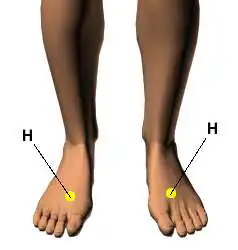
Pressing points on the feet targets the liver, and it works especially well for diabetes, hypertension, and insomnia. Massage or press this point regularly and it can help regulate blood glucose levels, and may even lower your risk of diabetes.
Big Toe Acupoint
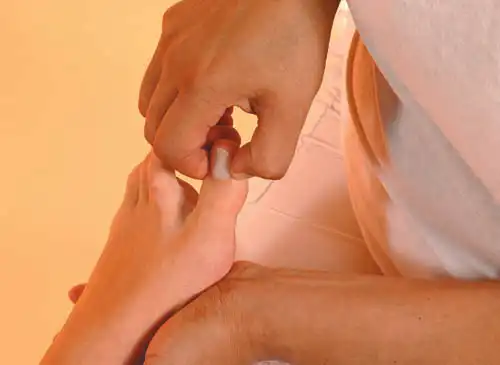
Press beneath your big toe with your fingers. It can be awkward to reach on your own, so ask a friend to help. This point helps with long-term relief from diabetes. Press it regularly; it has worked for many diabetic patients.
Back of Knee Acupoint
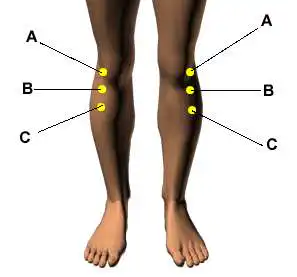
This point stands for the urinary bladder, and massaging it drains impurities from the bladder. You’ll find this point when you bend the back of your knee. Press it for at least five minutes a day. It helps with excess urination and related urinary tract problems.
Acupressure Points for Diabetes:
Acupressure points can’t cure diabetes completely, but you can keep it under control to a degree.
You still need to take your medicines for your whole life, and sudden attacks can still happen. The good news? Acupressure can help during a severe attack.
It’s easier than acupuncture, and no needles go into your body. Pressing the acupoints for diabetes can help bring blood sugar levels down.
You press with your fingers to stimulate the spot and regulate energy flow through the blood. Here’s a look at the acupressure points linked to diabetes, one by one.
Acupressure Points for Diabetes on the Hand:
Like your feet, your hands carry plenty of acupressure points for all sorts of ailments. With the points below, you can help keep diabetes under control alongside your diet and medication.
The Palm
This pressure point matters for treating diabetes and headaches. You’ll find it in the fleshy part of your palm, between the index finger and the thumb.
Press the spot for a minute: thumb of the opposite hand on top, index finger underneath.
You can also stick an Eva Health Strip on it. This point controls body heat and eases problems in the large intestine.
Wrist-Hand Pressure Point
The spot is easy to find, on the side of the little finger near the wrist. Massaging it takes stress off your heart, and it can help control diabetes too.

Whichever palm and hand points you use, repeat the process on both hands. That’s how you get results.
Acupressure Points for Diabetes Mellitus:
Diabetes mellitus brings discomfort, pain, and a long list of other symptoms, and they can make the condition worse. There are three types: type 1, type 2, and gestational diabetes, which shows up during pregnancy.
Press the points below and you can improve your health. They include acupressure points for type 2 diabetes.
Acupoint 1:
On the inner lower leg, behind your shinbone and four fingers’ width above the anklebone, you get the acupressure point 1. Press and massage the spot gently for three minutes a day, on both legs.
Acupoint 2:
This one sits between the second toe and the big toe, along the line. Measure three finger widths from the edge to find it. Once you’ve found it, press gently and massage in slow, anti-clockwise circles. Do both feet, three minutes each, every day.
You must do this for up to ten weeks, as it helps relax the body and reduces stress simultaneously. So you’ll be working on your diabetes and your anxiety at the same time. Skip this point if you’re feeling weak or tired, though.
Acupoint 3:
This point is on the inner side of the foot, between the bottom of the anklebone and the Achilles tendon. Press gently and move in small clockwise circles. Massaging it helps strengthen your immune system and prevent infections.
Acupoint 4:
You’ll find this point on the front of your lower leg, eight fingers above the external malleolus. Massage it gently, clockwise, for three minutes on each ankle. Pressing it removes unwanted toxins from the body.
KD-3:
The Kidney Meridian helps with diabetes, and it also eases things like a sore throat, dizziness, frequent urination, and headaches. The point sits between the tip of the medial malleolus and the Achilles tendon. Press it with your thumb for three minutes, then do the same on the other leg.
ST36:
Stomach 36 sits four fingers below your navel. Press for up to three minutes to balance your digestive system and help hold off aging. Don’t do it after eating, though. It can make you nauseous, or even sick.
Acupressure Points for Diabetic Neuropathy:
With diabetes, the nervous system often plays up, and you get pins and needles in your feet or hands.
So your body needs regular stimulation to ease the symptoms of peripheral neuropathy.
Peripheral Neuropathy Points for Feet
Neuropathy can hit the lower legs and feet. Different points treat it:
- K6 sits a thumb-width below your anklebone, on the inside fold of your leg. You’ll feel an indentation there. Press steadily with your thumb for two minutes to ease pain in your ankle and heel.
- B62 is the hollow between the outer anklebone and the bottom of the heel. Press gently for ten seconds, then let go. Repeat up to five times.
Peripheral Neuropathy Points for Hands
- LU10 sits in the middle of the thumb pad, on the palm side of your hand.
- LI4, you can apply pressure by pressing your thumb and index finger together over the bulge in the webbing between your thumb and forefinger.
Tips to Follow with Acupressure for Diabetes:
Pressing the points helps, but you still need to:
- Follow a healthy diet as recommended by your doctor. Be cautious with sugar, oil, and salt. Eat foods high in fiber, and you’ll notice a real difference when you use the acupoint techniques.
- Keep your weight in check and set aside part of your day for exercise.
- Get enough sleep, and quit smoking, which reduces your blood flow.
- Control your blood sugar with cinnamon & ginger, and never skip breakfast.
- And drink plenty of water.
Final Thoughts:
Don’t expect these points to work overnight. This is a long-term approach. It’s not an alternative to not taking your medication, and it’s unnecessary to change your lifestyle.
It works best when you stick with it over the long term. For the best results, keep pressing the acupoints for at least three months, alongside your other treatments.
Diabetes: Getting to Know the Basics:
India is often called the Diabetes Capital, but the rest of the world isn’t far behind. Diabetes is a chronic disease, and it hits people of every age, young and old. But what actually is it? Can it affect your body, and how have you been diagnosed? Here’s a plain rundown of how the condition works.
What is Diabetes?
You develop diabetes when your body doesn’t produce insulin, or can’t use it properly. Without insulin, your body can’t really metabolize carbohydrates, protein, and fat.
So glucose starts building up in the blood. The kidneys then start pushing the sugar out in the urine. The trouble is, most of the body, including the brain and the tissues that need glucose as fuel, can’t use it.
When that happens, the body breaks down fat and protein for energy instead, and that can throw things out of balance. It causes structural damage to the body that could lead to a heart attack, kidney failure, blindness, or a stroke. There are two types of diabetes:
Type I diabetes occurs when the body stops producing insulin, and Type II diabetes occurs when the body produces inadequate insulin. Symptoms of type I include normal urination, unusual thirst, fatigue, hunger, and weight loss. Type II, unlike insulin-dependent diabetes, shows up in people of standard weight as well as overweight people, and it develops slowly.
How Does Diabetes Affect the Body?
Type one or type two, both have one thing in common: too much sugar (glucose) in the blood. And the body does need glucose. It gives us energy. The body requires insulin produced in the pancreas, as it facilitates the entry of sugar in the blood into cells to fuel the body.
If your body doesn’t produce insulin, you can end up with symptoms like:
- Cramps
- Infections
- Impotence in men
- Chronic vaginitis in a woman
- Slow healing and tiredness
Type I diabetes is known to run in families. There’s a genetic side to it. And since it’s hereditary, it may skip a generation if you’re lucky.
How is Diabetes Diagnosed?
To find out if you have diabetes, you’ll need blood tests that measure the glucose in your blood. Having high blood sugar doesn’t necessarily mean you have diabetes. It does call for more testing, though. Doctors usually run two blood tests to check.
One is done after fasting for eight hours, the other after drinking water.
So, can diabetes be cured? No, not for either type. But it can be controlled with different therapies.
Type I Diabetes
If you have insulin-dependent diabetes, you need regular injections, a special diet, and exercise to keep it under control. You also have to measure your blood sugar to control how much insulin you inject. That’s a core part of the treatment.
Type II Diabetes
If you have non-insulin diabetes, you can control it with a healthy diet and exercise. Sometimes, though, you’ll need an oral hypoglycemic to raise your insulin.
Type 1 or type 2, a study has shown that keeping your blood sugar at a healthy level slows the disease down and prevents complications. People also ask whether diabetes causes weight gain, hair loss, itching, or a stroke. It does.
Weight swings are a big part of diabetes. You urinate often and lose calories, which leaves you constantly hungry. It can cause hair loss as it targets the hair follicles, resulting in patches of hair loss. Your skin also gets dry and itchy, and blocked blood vessels can lead to a stroke if the diabetes stays uncontrolled.
Where Do You Inject Yourself with Insulin?
The amount of insulin you need depends on the syringe or pen you use. Varies. Most syringes are disposable, and needles run from 12.7mm to 4mm in length. You need to inject into the fat layer under the skin, which is usually done with a short needle.
If you take insulin daily, rotate the injection sites. That prevents lipodystrophy. You can move the injection around different parts of the abdomen, keeping sites at least an inch apart. Your arms, buttocks, and thighs work too. The abdomen is the go-to spot. It absorbs insulin quickly and it’s easy to reach.
You can inject between the ribs and the pubic area, but stay away from the area around the navel. Don’t inject through skin blemishes, moles, or scars. That can interfere with insulin absorption.
What Are the Signs of an Insulin Overdose?
- You get tingling in your mouth, your fingers, and other parts of your body.
- You feel cold and clammy, and your face goes pale
- There’s a buzzing in your ears, and you sweat heavily
- You feel tired and hungry
- Your mood shifts and you get irritable
- You can get abdominal pain or blurred vision
What Types of Complementary Therapies are Available?
There are alternatives to an insulin injection, oral medication, or an insulin pump programmed to give small amounts of insulin at set times. You use complementary therapies alongside your medical treatment, not instead of it.
Exercise:
Exercise, in some form, helps improve insulin production. If you have Type I diabetes, exercise can affect your blood sugar, so talk to your doctor before working out, and never adjust your insulin dosage on your own. Some people with Type II diabetes hope to rely less on medication over time, but that is a decision only your doctor can make. Never stop or change oral medication on your own.
Homeopathy:
Practitioners here may prescribe phosphorus to stabilize your blood sugar levels.
Meditation and Self-Hypnosis
Yoga or meditation helps you relax and lowers your stress levels, and stress is known to raise blood glucose.
Diabetes Home Remedies
There are home remedies for diabetes too, herbs and spices among them. These ingredients help lower blood sugar and help control insulin intake.
Karela or Bitter Gourd
Karela has healing properties that help regulate pre-diabetic levels and insulin resistance. You can take it whether you have Type II diabetes or not. The best way to take it is as a juice, on an empty stomach in the morning. You can include it in your daily meals as part of a balanced diet, but it must never replace your insulin treatment. Always follow the plan your doctor has set for you.
Dalchini or Cinnamon
Cinnamon lowers blood sugar levels, and it’s a bioactive component that can help prevent the disease. If you have type 2 diabetes, it helps lower glucose levels, but you still need to take it with your medication. Keep the amounts moderate. Too much can lead to breathing problems or raise your heart rate.
Take one teaspoon in a cup of warm water, daily. You can add it to tea, or to a baked dessert.
Methi or Fenugreek
Fenugreek is rich in fiber. It helps digestion and regulates how sugar is absorbed. Methi suits both types of diabetes. Just soak two tablespoons in water overnight. In the morning, drink the water along with the seeds.
Amla or Indian gooseberry in the morning
Amla is rich in vitamin C, and its juice supports the proper functioning of the pancreas. Or take three Indian gooseberries, remove the seeds, and grind them into a paste. Put the paste in a cloth and squeeze out the juice. Mix two tablespoons into a cup of water and drink it daily, on an empty stomach.
Jamun or Indian Blackberry (Black Plum)
Black plums contain anthocyanins, ellagic acid, and hydrolyzable tannins. All of them work as antioxidants to control blood sugar levels. They’re a great superfood, and they come in various forms: leaves, seeds, and berries. Eat the fruit, or dry the seeds, grind them into powder, and drink it with water.
Mang with water Leaves
Mango leaves contain vitamins C and A, both strong antioxidants that may help treat diabetes. Soak up to 15 leaves in a glass of water overnight. Drink the filtered water in the morning, on an empty stomach.
Other herbs and spices:
- Aloe vera works well for managing type 2 diabetes. Combined with bay leaves and turmeric, it helps control sugar levels. You can drink aloe vera juice to give your system a boost, for more than just diabetes.
- Guava has vitamin C and fiber, but skip the skin. It reduces sugar retention. It does contain potassium, which is good for the body.
- Add it as a whole leaf, or take one tablespoon of the juice on an empty stomach.
- Flaxseed can help ease inflammation, and it’s rich in fiber. So take one tablespoon of ground flaxseed in warm water, on an empty stomach in the morning.
Final Thoughts:
So there is hope, if you take precautions: eat a healthy diet, exercise, and use your medication. Some specific drugs can raise your blood sugar, though. A woman who develops gestational diabetes in the second trimester can be treated.
Live healthy, and if you’re not sure where you stand, get your blood sugar tested today.
Wrapping Up:
Using acupressure points for diabetes is a simple approach, and it supports the overall well-being of the body. Practice these acupressure techniques in the areas mentioned above as a complement to your treatment, and leave any medication changes to your doctor.
These points help people living with diabetes, and they may help others avoid diabetes in the future. Diabetes has been known as incurable for years. With the right acupressure treatment, though, it has become a real help for relieving the pain diabetes causes.
Diabetes is hereditary, passed from generation to generation, and pressing the acupoints above may help stop you from getting it. These techniques help the body feel healthy, and they relieve tension and stress.
Each of these pressure points corresponds to a specific organ in the body. Try these points. They can help improve your overall health and well-being.
Medically reviewed by Dr. Jian Times
Last updated: October 22, 2026