
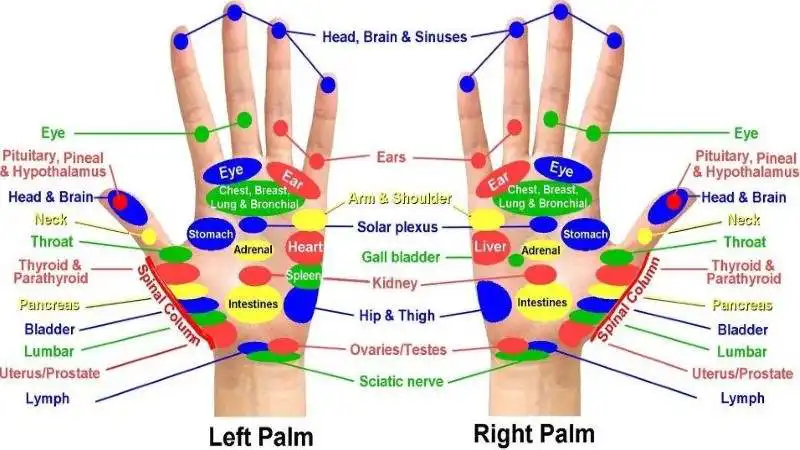
Acupressure Points Chart – Acupressure Points for Self-Treatment
This chart shows the acupoints a practitioner works on, point by point, to ease aches and pains. Back pain, headaches, blocked sinuses and more.
 Acupressure Points Hand Chart
Your body has at least 360 pressure points. Here are some of the main ones, acupressure points and how practitioners use them to ease aches and pains.
Acupressure Points Chart – The Different Pressure Points
In a session, the practitioner massages the energy points in your body with their fingers, to wake up your own healing response. Different points do different things. The most common approach is firm, steady pressure, held for 1 to 3 minutes.
Acupressure Points Foot Chart
 Acupressure Points Foot Chart
Once they’ve found the point, they press gently with a thumb, the heel of the hand, the side of the hand or a finger, holding for up to one minute to calm the nervous system. Breathing matters here. Breathe deeply while you work.
Different Acupressure Points Charts
Use a chart to get familiar with points like these:
The Sea of Vitality
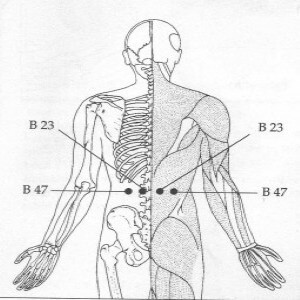
You’ll find four of these points on your back, two on each side of the spine, just below your last rib. They sit two finger widths and four finger widths out from the spine. People use them for lower back pain.
Heavenly Pillar, the Third Eye, and Gallbladder 2
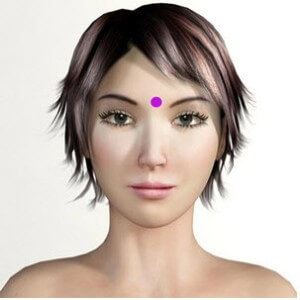
Stressed, anxious, headachy, tired all the time? The Third Eye point sits in the dip at the bridge of your nose, between your eyebrows, and pressing it can bring real relief.
The Gallbladder 2 points sit at the top of the ear, on the side of the face. They’re used for migraines and vascular headaches.
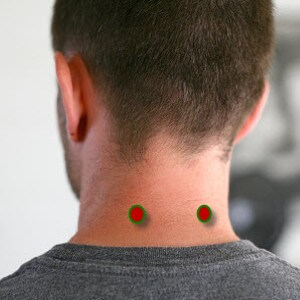
Heavenly Pillar is a pair of points, one finger’s width below the base of the skull, on the strong neck muscles about half an inch from the spine. They help with insomnia, eyestrain, a stiff neck, headaches and plain exhaustion.
Sea of Tranquility Points
The Sea of Tranquility point sits three finger widths up from the bottom of your sternum (breastbone). It helps with anxiety, low mood, a tight chest and nervousness.
Shoulder Well
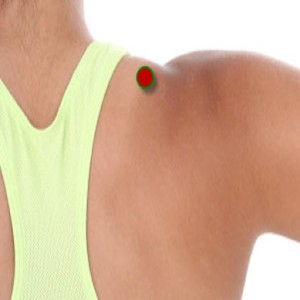
You’ll find this one at the very top of your shoulder, close to your neck, halfway between the base of your neck and the outer edge of your shoulder. It eases shoulder tension, headaches, anxiety and fatigue.
Some Other Points Found On The Acupressure Point Chart
As I said, the body is full of pressure points. A chart helps you find the ones above, and there are plenty more, used for other complaints.
- Letting Go – four finger widths up from the armpit crease, and one finger width in, on the outer part of your chest. These points help with coughing, a tight chest, low mood, shallow breathing and congestion.
- Supporting the Mountain – at the bottom of the main calf muscle, halfway between the crease of your knee and your heel. Good for calf cramps, knee pain, lower back pain and swollen feet.
- Sacral points – in the lower back and tailbone area. They help with lower back pain, hip pain and menstrual pain
- Drilling Bamboo – in the dip of the inner eye socket, below the midpoint of the eyebrow. For congestion, eye strain and sinus pain
- Welcoming Perfume — Points on the sides of your nostrils. Pressing them helps clear sinus congestion.
- Facial Beauty points – below the pupils of your eyes. They help with congestion, tired eyes and sinus pain
- Intermediary points – midway along the underside of your arm, up from the wrist crease. Good for nausea, vomiting and an upset stomach
A chart like this can help with a lot of everyday aches. But go carefully when you’re treating yourself, and learn how to apply pressure properly first.
Acupressure Point Chart – Finding Your Pressure Points
What do you do, without thinking, when something hurts? You grab the spot. You hold it.
And holding it helps. It starts to feel better. What most people don’t realise is that holding one spot can help a completely different part of the body too. Press the right areas and you can ease all sorts of ailments. That’s acupressure.
So if you’re thinking of trying it, and you’ve looked at a point chart, it helps to know what each point actually does. That’s what you’ll find here.
I’ve split the chart into categories below, so you can find the points for a wide range of problems and work on your health one section at a time.
Before the chart, though, learn how to do it properly.
- Use firm, deep pressure on each point when you massage it.
- Sit or lie down somewhere comfortable. Breathe deeply, close your eyes, relax.
- Repeat it as often as you like. There’s no daily limit.
- Can’t reach a point? Ask a friend or a family member to help.
Acupressure Point Chart for Height Increase
I can see the puzzled look. How would this make you taller? In Japan an acupressure point is called a tsubo. In China it’s called chi. Press it, and it releases endorphins, which are said to stimulate growth.
The muscles lengthen and relax, blood flows more freely, and toxins clear. Better circulation also means more oxygen and nutrients reaching the area.
That’s why knowing the right points matters if you’re trying to support Human Growth Hormone (HGH) production.
HGH helps bones and muscles grow. Pressing these points is also said to stimulate the pituitary gland, a small organ at the base of the brain, which in turn prompts other glands to produce hormones. So, which points are they?
The first one is the Thumb Point.
This is one of the key spots. It’s said to help energy flow to the gland, so the gland releases more HGH. You’ll find it in the centre of your thumb.
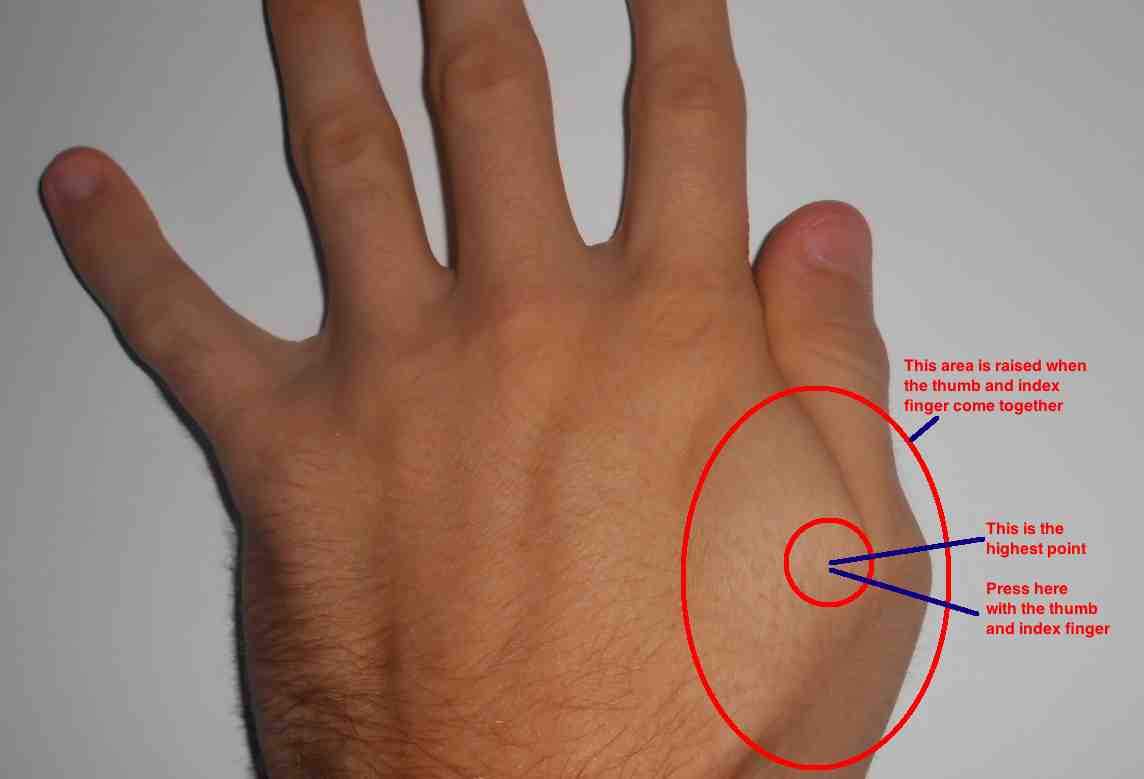
Press gently on the pad of your thumb for up to 15 minutes. That’s enough. It works better if you do it while meditating, with a quiet mind.
Try to do it at least three times a day for better results.
The second point is the Toe Point.
Another key point for height growth is the toe point, in the centre of the big toe. (There is no scientific evidence that acupressure can increase height.) Apply the same pressure for up to 15 minutes, twice a day, to maximize height. (There is no scientific evidence that acupressure can increase height.)
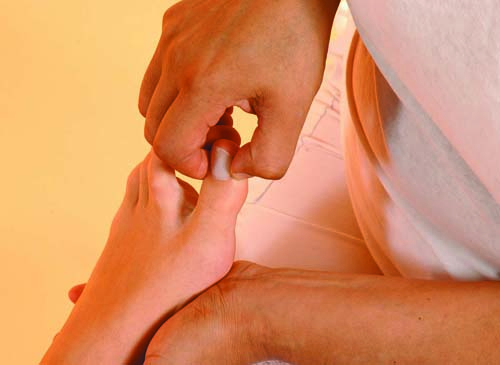
Don’t rush it, and don’t expect to grow two inches overnight. Be patient, be consistent. Results, if they come, take time.
Acupressure Point Chart for Weight Loss
Acupressure is one of the oldest natural techniques people use for weight loss. Putting weight on is easy. Losing it is the hard part.
So if you’ve tried every diet pill on the market and the weight still won’t shift, try these tips instead:
- Follow a healthy diet plan.
- Replace your daily eating routine with a fasting routine.
- Do a seven-minute workout every day.
- And use the acupressure techniques in this section.
Pressing these points is said to help your digestive system work better and keep your hunger in check. Do it daily, for up to 30 minutes, for the best results. Massage lightly before and after you apply pressure.
- Ear Acupressure Point: Place your thumb against the jaw of the ear and move it up and down. You’ll soon find the spot that moves the most. When you do, stop there and press for a minute.
- The abdomen acupoint, also known as the pressure point, is easy to find, about 3 cm below the navel, at Ren 6. Pressing it helps the digestive system and reduces constipation. Put two fingers on the spot, massage up and down for 1 minute, then press for 2 minutes. You can do this twice a day.
- The abdominal sorrow acupoints — you’ll find the spot under your last rib. It helps relieve indigestion and rib pain, and it helps with appetite too, keeping cravings down. Press these points for at least five minutes every day.
- Elbow acupoints – the large intestine point, on the inner side of the elbow crease. Find it with your thumb. Press the spot for a minute every day.
- Knee pressure point – for better digestion. The knee acupoints sit on the outer side of each leg, two inches below your kneecap. Press lightly for a minute, let go, then move the foot up and down so you feel the muscle tighten and relax. Go back to the spot and press for another two minutes.
Acupressure Point Chart for Hair Growth
I’ve covered hair growth in a separate article. But did you know pressing certain acupoints can help with growth too? Here are the best ones to use.
Paihui
These are easy to find, because they’re on your head. Massaging this point gets the blood moving, and that circulation is good for hair growth.
Run a finger in a line from the bridge of your nose up to the midpoint between your ears. Then take ten toothpicks, bundle them with a rubber band, and stimulate the area for ten minutes.
When you’re done, massage your whole head gently.
Ll1
You can press the L1 point to help hair grow better. It’s at the corner of the nail, on the index finger side nearest the thumb.
Press the spot for three minutes every day. Best of all, you can reach it yourself. No help needed.
B13
This one’s simple. Put three fingers in the area between your spine and shoulder blade, press gently and rub.
Do both sides of the spine, or it won’t work as well. It promotes hair growth, and it calms the mind too. Three minutes on each spot.
Kongzui LU6
These points are on the inner forearm. Press the spot any time of day to stimulate hair growth. You can do it up to three times a day.
LU9
Another useful point, in the wrist crease at the front of your thumb. It eases stress in the arm, and it helps with hair growth too.
Acupressure Points Chart for Weight Gain
Not everyone wants to lose weight. Some people want to gain it. Before you press these points, do a few breathing exercises first. They help oxygen move through the body.
- This point sits on top of the Trapezius muscle, on the back, where your neck meets your shoulder. It’s in line with your nipple. Press it for a minute, then repeat on the other side.
- Stand in front of a mirror and find the nose bridge point, between your eyes. Stroke the area from beside the eye towards the bridge of your nose.
- The point between the eyebrows, in the dip, eases stress. Pressing it for one minute also helps with weight gain.
- Another point you can hold, on the breastbone, above your celiac plexus, for one minute.
- The ear point is a handy one too, between the ear and the temple. Massage it for a minute.
Acupressure Points Chart for Lower Back Pain
Lower back pain gets almost everyone at some point. If that’s you, try pressing these points:
- Sea of Energy sits two finger widths below the belly button. Massaging it relieves lower back pain and tones weak abdominal muscles.
- Sea of Vitality — skip this area if you have a weak back. On your lower back, at waist level, press the spot up to four finger widths away from your spine.
- Womb and Vitals points sit two finger widths apart on the large bony area at the base of your spine, midway between the top of your hipbone and the bottom of your buttock.
- Commanding Middle: These points, in the middle of the crease at the back of the knee, help relieve back pain.
Acupressure Point Chart for Headaches
Bad headaches are miserable, and nobody wants to keep reaching for painkillers unless they really have to. So instead of medicine, try a more natural approach, such as acupuncture.
- Yin Tang is on the forehead, halfway between the eyebrows, at the third eye point (GV 24.5)
- Zan Zhu is on the inner end of the eyebrow, directly above the inner corner of the eye (BL 2)
- Si Bai is on the cheek, directly below the pupil, in the hollow on the bone just below the eye (ST 2)
- Tou Wei sits at the corner of the forehead, about 0.5 cun (the width of the thumb at the middle crease) inside the hairline, 4.5 cun from the midline of the head (ST 8)
- Tong Zi Liao is 0.5 cun from the outer corner of the eye, in the hollow of the temple (GB 1)
- Qu Bin is above the ear, where a straight line across the crown of the ear meets a vertical line across the back of the temple (GB 7)
- Yi Feng is in the hollow one cun below the earlobe (TE 17)
- Tian Zhu is on the back of the neck, one cun from the base of the skull, on the rope-like muscle about one cun from the spine (BL 10)
Remember, press these points in smooth, circular motions.
Acupressure Point Chart for Diabetes
Do you have diabetes? Using acupressure is a harmless and effective way to help treat diabetes. Whether you have Type 1 or Type 2 Diabetes, you can use acupressure to relieve symptoms associated with it. These acupoints are:
Lower Leg Point (Spleen Point): The spleen point is on the lower leg, behind the shinbone, on the opposite side of the ankle bones. Press the spot firmly for three minutes a day.
Foot Toe Point (Liver Point) – You’ll find this one on your foot, between your big and 2nd toe. Press lightly, moving in reverse circles, for three minutes. It relieves stress, without making you tired.
Inner Foot Point (Kidney Point): This point sits between the Achilles muscle and the anklebone, on the inner side of the foot. Apply pressure to it for three minutes every day to improve and develop insulin production.
Arthritis Point sits 2 centimeters below the Knee. Press the area lightly for five minutes daily, to relieve indigestion and arthritis symptoms.
Intestine Point — This point, between the thumb and index finger, helps with all sorts of ailments. Massage the joint area to take excess heat out of your body and give it energy.
So one chart really can cover a lot. Diabetes, headaches, losing weight, gaining weight. Pick the points for your problem and use them well.
Helpful Tips to Relieve Pain
Somebody, somewhere, is in chronic pain every single day. A toothache, period cramps, a headache, sore feet. We all know that list.
And what’s the first thing you do? Be honest. You reach for the aspirin or ibuprofen in the medicine cupboard. We all do it. But did you know that medication can wreck your gut, strain your liver and wreck your sleep?
I’m not saying NSAIDs are wrong. They have their place, after surgery or a serious injury, for example. The problem is using over-the-counter pain relief day after day. It only masks the pain. It doesn’t deal with the inflammation.
But what if there were natural ways to ease pain instead? Would you try them? I’ve pulled together some research on easing pain without painkillers. If you’d rather not fill your body with chemicals, read on.
These are simple remedies. You can do every one of them at home.
Tips to Relieve Pain for Acne Problems
Acne is one of the most common skin problems there is. Blackheads, whiteheads, pimples, cysts. Most of us have faced the dreaded pimple at some point, usually as teenagers. So what causes it?
As your hormones change, the sebaceous glands in your skin get bigger. You produce more sebum, and it mixes with bacteria and dead skin cells. That clogs your pores, and that’s where the acne starts. Sometimes it’s a whole flare-up. Sometimes it’s just one angry, painful pimple.
So are there home remedies for a painful pimple? Yes. But before you start mixing up ointments, read this first:
- If you have severe acne, or even just one pimple, don’t squeeze it. You’ll spread the infection.
- Keep your skin clean, and skip harsh scrubs and overwashing.
- Cleanse your face twice a day with a mild, unscented soap. Oily skin? A drying soap may suit you better.
- Skip washing granules and exfoliants. They make things worse and irritate the skin.
- Use a mud, clay or oatmeal face mask from time to time, to lift oil off the skin.
Follow that, and you’ll stop a lot of flare-ups before they start. Got one stubborn pimple anyway? Here’s how to deal with it fast:
Garlic has antiseptic properties that fight bacteria on the skin. It also contains sulfur, which helps acne heal. Slice a garlic clove in half. Mix the garlic with juice and rub it on the pimple. Leave it for five minutes, then wash with lukewarm water. Repeat if you like, as long as your skin shows no sign of sensitivity.
Lemon Juice is full of Vitamin C, and its acidity fights the bacteria that cause acne. Use fresh lemon if you can. Bottled juice often has preservatives that can harm your skin. Dip a cotton swab in the juice, dab it on the spot, and leave it overnight. Wash your face with tepid water in the morning. Or mix one tablespoon of lemon juice with one teaspoon of cinnamon powder to make a mask. Put it on the blemish and leave it overnight, though I wouldn’t use this one on sensitive skin. Wash it off with lukewarm water in the morning.
Apple Cider Vinegar works surprisingly well. It acts as a natural astringent, so your skin feels smooth. Dab a few drops of diluted ACV on the spot and leave it overnight. You can use it on scars and age spots too.
Tips to Relieve Foot Pain:
Your feet carry you everywhere. We barely think about them until they hurt. And foot pain is miserable, whether it comes from high heels, shoes that are too tight, or an old injury. Here are some home remedies that help.
Eucalyptus Oil: Fill a large bowl with hot water and ten drops of the oil. Soak your feet for up to 15 minutes, twice a day. The oil contains eucalyptol, an anti-inflammatory that helps treat foot pain.
Baking Soda: Take a bowl big enough for your feet. Add ½ cup of baking soda to hot water, stir until it dissolves, and soak your feet for up to 20 minutes once a day. Baking soda is anti-inflammatory, so it can help take the pain down.
Coconut Oil – Put three teaspoons of the oil in your palm, massage the sore foot, then put a sock on to seal the oil in. Once a day is enough. Coconut oil is one of the best natural options for foot pain.
Epsom Salts – Place your feet in a bowl of hot water with a cup of Epsom Salts mixed in. Up to 15 minutes a day helps aching feet. Epsom salt contains magnesium sulfate, which works as an anti-inflammatory and soothes pain.
Menstrual Cramps
For many women, a period is painful. For some it’s a breeze. For others the pain is unbearable. If you’re in the second group, there are ways to make it easier.
Complementary Therapies
- Herbal Medicine: For cramps, try drinking raspberry leaf, valerian, ginger or chamomile. Or take two to three capsules of primrose oil and blackcurrant oil daily, to help prevent period cramps.
- Hydrotherapy – Soak in a warm bath with a few drops of juniper oil, to ease muscle cramps.
- Self Treatment – Put a heating pad or a hot water bottle on the area. Gentle exercise helps too, and so does sexual activity, because orgasm leads to less pain. Or massage your abdomen with essential oils like Clary Sage, Lavender or Marjoram. Drinking plenty of hot water helps as well. It increases blood flow and relaxes the muscles.
Tips to Relieve Stomach Pain:
Everyone gets stomach pain now and then. But what actually helps? Nausea, constipation, gas, indigestion, these natural remedies can settle an upset stomach without over-the-counter medicine.
Carrot and Mint Juice
This one sounds odd, I know. But it helps. The carrot nourishes your body while the mint settles your stomach. Boil four sliced carrots in four cups of water with one teaspoon of dried peppermint, or just drop a mint teabag in the water. Cook for 15 minutes, until the carrots are tender. Add a little ginger or lemon juice for flavour if you like. Put it in a juicer, let it cool, then drink.
Burnt Toast
I know, nobody likes burnt toast. But it’s one of the best home remedies for a stomachache. The char absorbs the toxins that are making you feel ill. Smear some jelly on it if that makes it easier to eat.
Apple Cider Vinegar
Our old friend is back. ACV helps with a sore throat, hiccups and more. Mix one tablespoon of ACV in a cup of warm water with one tsp of honey. It helps with a cramping stomach and with gas, and it eases the discomfort of heartburn too.
Yogurt
You should normally avoid dairy with an upset stomach. Yogurt is the exception. Its probiotics can settle digestive discomfort, and it supports your immune system too. Buy plain yogurt, with no added preservatives. It’s good for stomach pain, and it’s also a smart thing to take if you’re on antibiotics, which cause thrush in some women.
Tips to Relieve Wisdom Teeth Pain:
Toothache is the pain almost nobody can stand. Cutting a wisdom tooth is worse. Most people will tell you to see a dentist and have it taken out. But what if you can’t? What if you have no medical insurance? Here’s what helps with wisdom tooth pain.
Rinse with Warm Salt Water
Dentists recommend this one a lot, as a temporary fix. It’s quick to make, it works, and it costs almost nothing, no painkillers needed. Stir two tablespoons of salt into a glass of warm water until it dissolves. Rinse your mouth several times, then spit. Repeat every few hours.
Ice Pack
Wisdom teeth often swell, and an ice pack helps the pain. Use a shop-bought pack, or a bag of frozen vegetables from the freezer. That works just as well. Or put ice in a baggie and wrap it in a towel. The cold brings the inflammation down too.
Cloves
Clove oil is one of the best-kept secrets for a toothache. Put it on the tooth and it numbs the pain, while its antibacterial properties fight infection. Soak a cotton ball in the oil and hold it right on the tooth and gums. Taste too strong? Dilute it with a little olive oil. Years ago, people just bit down on whole cloves.
Sunburn
The sun is one of the main causes of skin damage. We all love being out in it, but take care. It causes premature aging, and it can cause skin cancer. The fix is simple. Wear sunblock, and you won’t get sunburned in the first place.
Out all day and forgot the sunscreen? There are still ways to ease the pain. If the sunburn is severe, see your doctor. It can cause fever and swelling, and the doctor will prescribe penicillin or another antibiotic for blistering and infection.
Complementary Therapies
- Herbal Medicine – For a mild sunburn, a compress of apple cider vinegar, or the juice of a freshly cut aloe plant, can ease the pain and speed up healing. Don’t use these on badly blistered skin, though.
- Self-treatment – Try a cold shower, or cold-water compresses. Or sit in a cold bath with a cup of corn flour in the water. Another good trick: chill washcloths soaked in milk in the refrigerator, then lay them on the sore areas. The cold takes the heat out of the burn, and the lactic acid in the milk helps with the pain.
Final Thoughts
There are plenty of natural ways to ease pain, as you’ve seen. One last thing, and it matters. If the pain sticks around after you’ve tried these remedies, go and see your doctor. It might be nothing minor at all. Natural remedies are fine for mild pain. Severe pain needs a professional.
Medically reviewed by Dr. Jian Times
Last updated: October 28, 2026
Content on this site is for education only and isn't a substitute for medical advice. Talk to your doctor before trying acupressure if you're pregnant, have a chronic condition or take blood thinners.
Do you sell charts of Acupressure points?
The ones I have found is a rip off on shipping.
Do not want to buy from Amazon.
Prefer small co!
Reply with cost and chart good site.
thank you,
ken
I have a 94 yr old mom having trouble swallowing. Is there an acupressure point for swallowing?
On Monday 06/07/21 after getting up that morning I experienced great pain standing, walking, sitting, and laying down.
This pain is focused in the right buttock, right thigh, and now the right shin is numb. But also the right knee buckles when I what to climb stairs. At the hospital I was given an X-ray ,pain killers, and an orthotic velcro brace to ware.
I went to the accupunturalist there before I saw the common doctors and my pain was greatly reduced but these common doctors for their work braught my pain back.
Thank You.